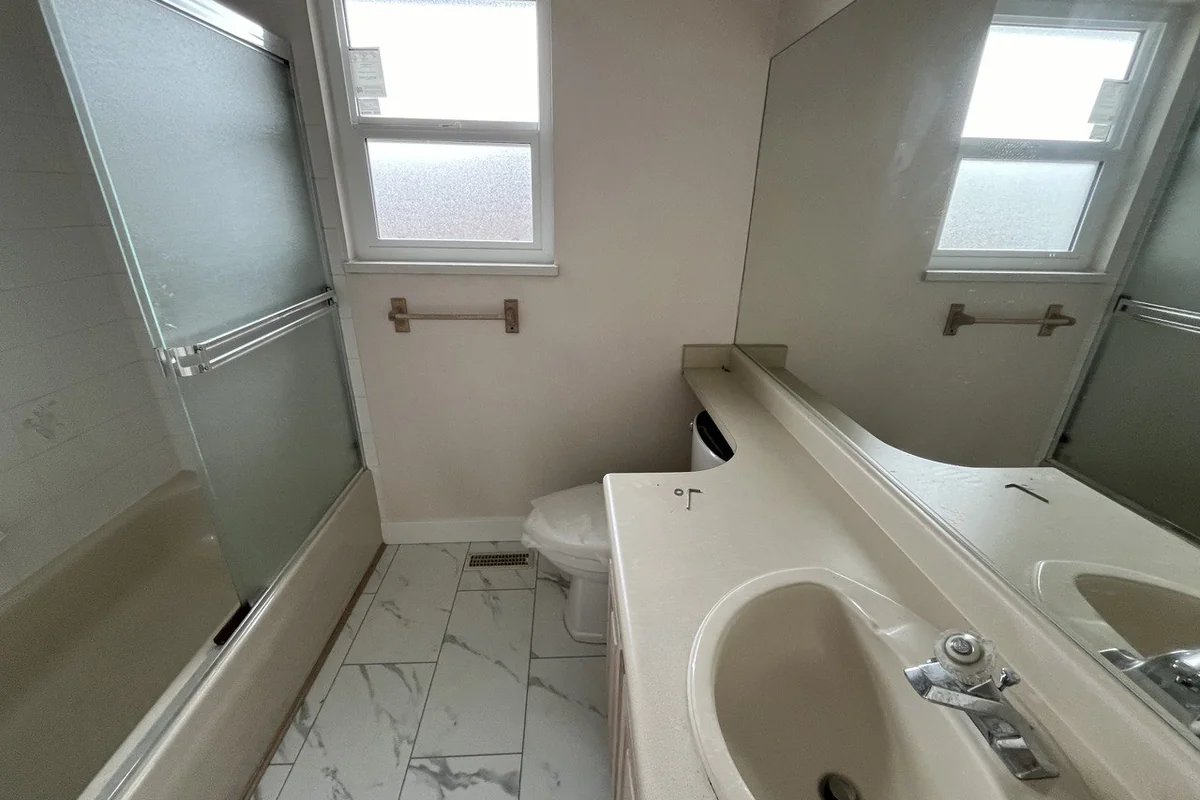
Stepping onto a warm tile floor on a damp Vancouver morning is one of those small luxuries that quickly becomes a necessity. Heated bathroom floors also help tile dry faster after showers, which reduces dampness, and they free up wall space that a baseboard heater would otherwise occupy.
The good news is that heated floors are one of the more affordable comfort upgrades, especially when added during a bathroom renovation in Vancouver. This guide explains what they cost to install and run in BC, how electric and hydronic systems compare, and how to choose the right flooring and thermostat.
How Much Do Heated Bathroom Floors Cost?
| System | Typical Installed Cost (Bathroom) | Best For |
|---|---|---|
| Electric mat or cable, small bathroom (30 to 50 sq ft heated) | $1,200 to $3,000 | Most bathroom renovations |
| Electric mat or cable, large ensuite (60 to 100 sq ft heated) | $2,000 to $4,500 | Ensuites and larger rooms |
| Hydronic, connected to an existing boiler | $4,000 to $9,000 | Homes with existing hydronic heating |
| Hydronic, with a new boiler or heat source | $10,000 to $25,000+ | Whole-floor or whole-house projects |
Quick answer: Adding an electric heated floor to a typical Vancouver bathroom during a renovation usually costs $1,200 to $3,000 in 2026, including the heating mat, thermostat and electrical work, but not the tile.
Electric vs Hydronic Floor Heating: Which Is Better for a Bathroom?
| Factor | Electric Radiant | Hydronic Radiant |
|---|---|---|
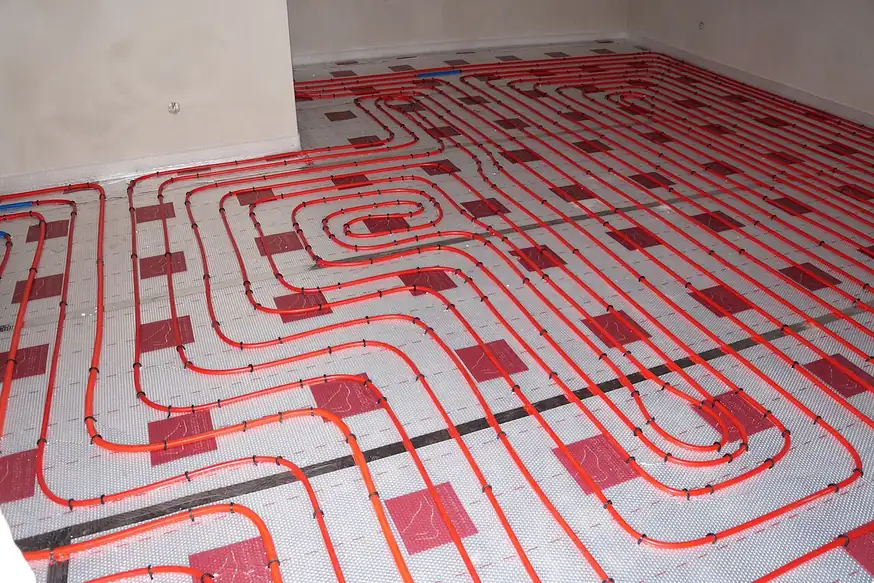
| How it works | Thin heating cables or mats under the tile | Warm water circulates through tubing in or under the floor |
| Installation cost (bathroom) | Low | High |
| Floor height added | Very little, about 1/8 to 3/8 inch with membrane | More, depending on system |
| Heat-up time | 30 to 90 minutes | Slower, best for continuous heating |
| Operating cost per sq ft | Higher per unit of heat | Lower when served by an efficient boiler or heat pump |
| Best scale | Single rooms | Large areas or whole homes |
| Maintenance | Virtually none | Boiler or heat source servicing |
For individual bathrooms, electric radiant heat is almost always the better choice. Hydronic systems make sense when the home already has hydronic heating, which we often find in older houses during home renovations in North Vancouver, or when an entire floor is being heated.
Cost Breakdown: Heating Mat or Cable, Thermostat, Electrical Work and Installation
| Component | Typical Cost | Notes |
|---|---|---|
| Heating mat or cable kit | $10 to $20 per sq ft of heated area | Membrane-based systems often double as uncoupling layers |
| Thermostat | $150 to $500 | Programmable or Wi-Fi models cost more |
| Floor sensor | Usually included | Measures floor temperature |
| Electrician (circuit, GFCI protection, connection) | $400 to $1,200 | A dedicated circuit is often required |
| Electrical permit | $100 to $300 | Required for new circuits |
| Installation labour | $300 to $800 | Often integrated with tile setting |
| Self-levelling or thinset encapsulation | $150 to $500 | Protects cables and creates a flat surface |
Only heat the areas where you walk. Space under the vanity, toilet and tub is usually left unheated, which reduces material costs.
Operating Cost: How Much Electricity Does a Heated Floor Use in BC?
Electric floor heating mats typically draw around 12 to 15 watts per square foot. BC Hydro’s residential tiered rates are currently 11.87 cents per kWh for usage below the threshold and 14.08 cents per kWh above it.
| Heated Area | Daily Use | Monthly Energy | Monthly Cost (BC Hydro Tier 1 to Tier 2) |
|---|---|---|---|
| 40 sq ft at 12 W/sq ft | 4 hours | About 58 kWh | About $7 to $8 |
| 40 sq ft at 12 W/sq ft | 8 hours | About 115 kWh | About $14 to $16 |
| 70 sq ft at 12 W/sq ft | 4 hours | About 101 kWh | About $12 to $14 |
| 70 sq ft at 12 W/sq ft | 8 hours | About 202 kWh | About $24 to $28 |
These estimates assume the heating runs at full output during those hours. In practice, a thermostat cycles the system on and off once the floor reaches its set temperature, so actual costs are often lower. A programmable thermostat that heats only in the morning and evening keeps costs minimal.
Best Flooring to Use Over Radiant Heat
| Flooring | Suitability | Notes |
|---|---|---|
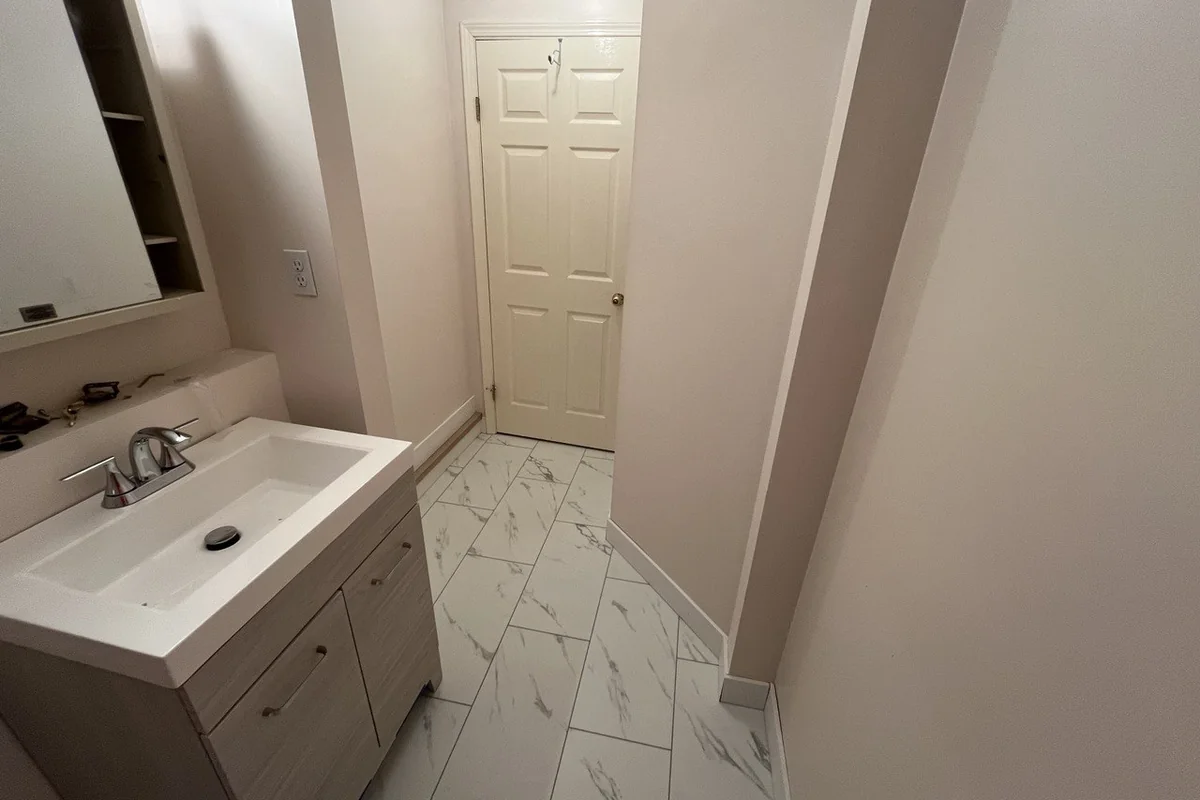
| Porcelain tile | Excellent | Conducts heat well and is unaffected by temperature changes |
| Ceramic tile | Excellent | Same benefits as porcelain |
| Natural stone | Excellent | Retains heat; follow sealing requirements |
| Luxury vinyl | Good with approved products | Check manufacturer temperature limits |
| Engineered wood | Fair | Use approved products and follow surface temperature limits |
| Laminate | Limited | Some products allow it; heat can affect the core |
| Solid hardwood | Not recommended | Movement and gapping risk |
| Carpet | Poor | Insulates the heat |
Tile is the ideal partner for radiant heat. Compare all your options in our guide to the best flooring for bathrooms.
Installation: During a Renovation vs Adding to an Existing Floor
During a Bathroom Renovation (Recommended)
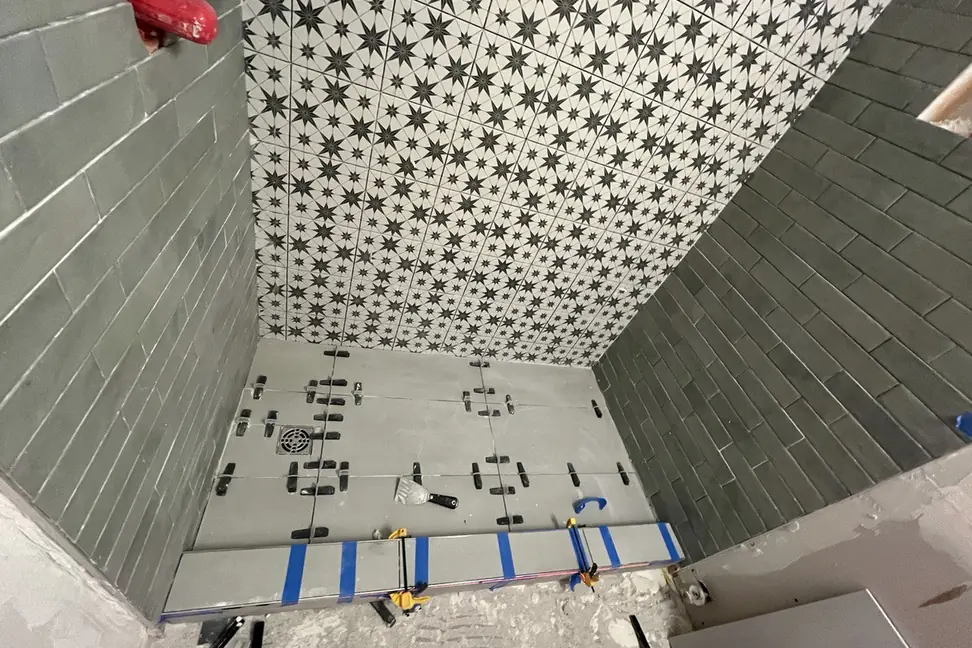
When the old floor is removed, the heating mat is installed over the subfloor or uncoupling membrane, tested, encapsulated and then tiled. This is the most cost-effective and reliable approach.
- Remove old flooring and prepare the subfloor
- Install the membrane or mat and floor sensor
- Test the cable resistance before, during and after installation
- Tile over the system
- Connect the thermostat once tile and grout have cured
Adding to an Existing Floor
Heating cannot be added under existing tile without removing it. Options for existing floors include:
- Replacing the floor tile as a smaller project
- Installing heating under the floor from below, only possible in limited cases with open joists
- Using a heated towel rail or a wall heater as an alternative
If your bathroom needs other updates, it is usually more economical to include heated floors in a full renovation. See our bathroom renovation services in Vancouver.
Choosing a Heated Floor Thermostat
| Thermostat Type | Typical Cost | Best For |
|---|---|---|
| Non-programmable | $100 to $200 | Simple manual control |
| Programmable (7-day) | $150 to $300 | Most homeowners, keeps energy use low |
| Wi-Fi or smart | $250 to $500 | Remote control, scheduling, energy tracking |
Look for a thermostat with a floor sensor, built-in ground fault protection where required, a clear touchscreen and a schedule that matches your routine. Many manufacturers recommend limiting floor surface temperatures for comfort and to protect flooring, especially with vinyl and wood.
Is a Heated Bathroom Floor Worth It? Pros and Cons
| Pros | Cons |
|---|---|
| Comfortable, even warmth | Adds cost to a renovation |
| Faster drying of floors and bath mats | Requires removing existing tile to add later |
| Low running cost with a programmable thermostat | Repairs are difficult if cables are damaged during installation |
| Frees wall space from baseboard heaters | Electric systems cost more per unit of heat than heat pumps |
| Appeals to buyers in ensuites and main bathrooms | Not a primary heat source for very cold rooms without proper design |
For most renovations, a heated floor adds 3 to 7 percent to the total bathroom budget (see our bathroom renovation cost guide), which many homeowners consider good value for daily comfort.
Frequently Asked Questions About Heated Bathroom Floors
How much does it cost to add heated floors to a bathroom?
Typically $1,200 to $3,000 for an electric system in a standard bathroom during a renovation.
Do heated floors use a lot of electricity?
No. A typical bathroom heated floor costs roughly $7 to $16 per month to run in BC, depending on area and hours of use.
Can heated floors be the only heat source in a bathroom?
In some well-insulated bathrooms, yes. In colder or larger rooms, they work best as supplemental heat. A designer can calculate the heat load.
How long do electric floor heating systems last?
Properly installed systems commonly last 20 years or more, and many manufacturers offer long warranties.
Do I need a permit for a heated floor?
A new electrical circuit typically requires an electrical permit from Technical Safety BC or the City of Vancouver. Your electrician handles this.
Add Heated Floors to Your Bathroom Renovation
We also add heated floors to strata bathrooms as part of our condo renovation services.
Reimagine Construction & Renovation integrates heated floors into bathroom renovations from the start, so the mat layout, membrane, tile and electrical are designed together and tested at every stage.
Contact us to plan your project.