What Is the Best Material for Kitchen Cabinets?
Short answer: For most kitchens, the best combo is plywood cabinet boxes with MDF doors (or solid wood doors if you want a stained look). Plywood is stronger, holds screws better and handles moisture better than the alternatives, so it’s ideal for the box, especially under the sink. MDF is perfectly smooth and stable, which makes it the best choice for painted doors. Particleboard is fine on a tight budget or for low use areas, but it’s the first material to swell if it gets wet.
The right choice depends on your budget, the finish you want and where each cabinet goes. Let’s break it down.
Kitchen Cabinet Materials at a Glance: Cost, Durability and Moisture Resistance
| Material | Relative Cost | Durability | Moisture Resistance | Best For |
|---|---|---|---|---|
| Plywood | $$$ | Very good | Good | Cabinet boxes, sink bases |
| MDF | $$ | Good | Fair (poor if edges get wet) | Painted doors, panels |
| Particleboard (melamine) | $ | Fair | Poor | Budget kitchens, rentals, dry areas |
| Solid wood | $$$$ | Very good | Fair (moves with humidity) | Stained doors, face frames |
Quick tip: most cabinets mix materials. When you compare quotes, always ask what the box, the shelves and the doors are made of, because they’re often different.
Plywood Cabinets: Pros, Cons and Best Uses
Plywood is made of thin wood layers glued together in alternating directions. That cross grain structure is what makes it so strong and stable.
Pros
- Strong and light, and it holds screws and hinges really well
- Handles occasional water much better than MDF or particleboard
- Can be repaired if it gets damaged
- Lasts for decades with normal use
Cons
- Costs more than MDF or particleboard
- Surface can have small voids or grain showing, so it’s not ideal for smooth painted doors
- Quality varies a lot between cheap imported panels and cabinet grade plywood
Best uses: cabinet boxes, sink bases, shelves and anywhere near water or heavy use.
MDF Cabinets: Pros, Cons and Best Uses
MDF (medium density fibreboard) is made from fine wood fibres pressed together with resin. It has no grain, so it’s super smooth and consistent.
Pros
- Perfectly smooth surface that takes paint beautifully
- Doesn’t warp or crack with humidity changes the way solid wood can
- Easy to machine into shaker profiles and detailed door styles
- Cheaper than plywood and solid wood
Cons
- Heavy, which can stress hinges over time
- Swells if water gets into a chipped edge or unsealed area
- Doesn’t hold screws as well as plywood, and stripped screw holes are hard to fix
Best uses: painted doors, drawer fronts, end panels and decorative trim.
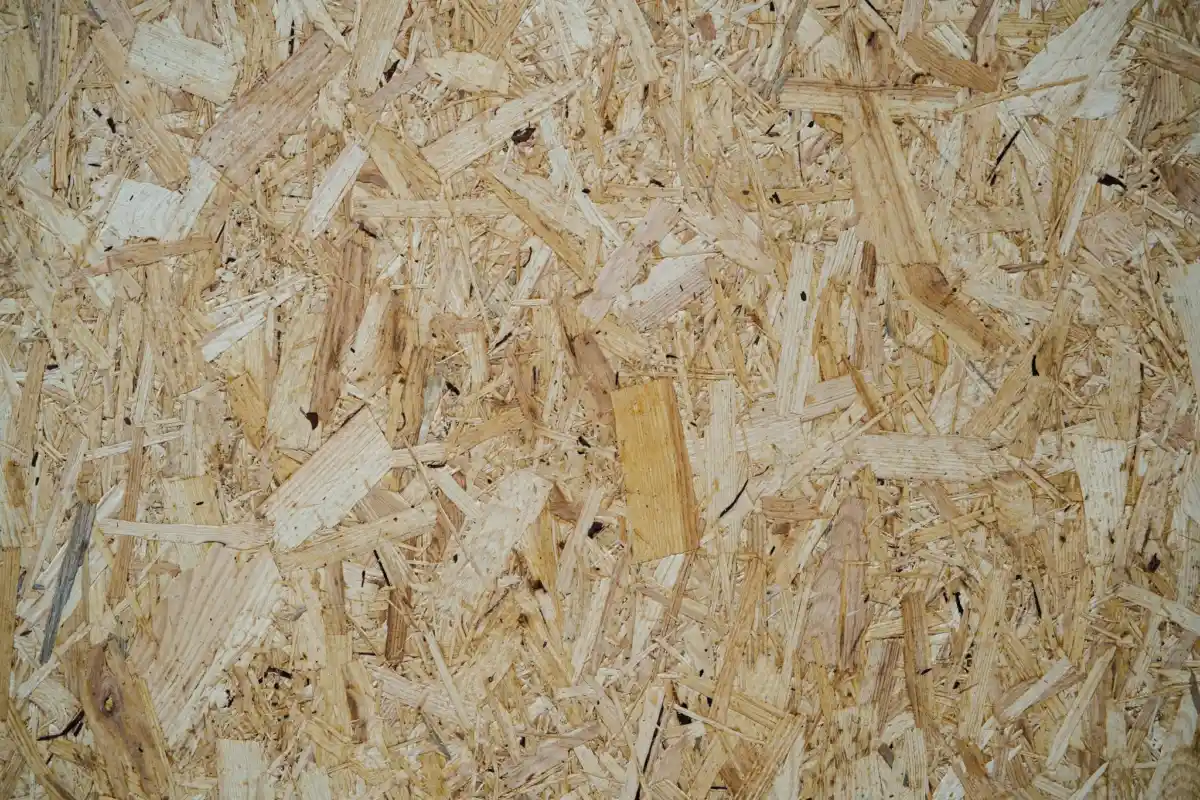
Particleboard Cabinets: When It Makes Sense and When It Doesn’t
Particleboard is made from larger wood chips and glue, usually covered with melamine or laminate. It’s what most flat pack and big box store cabinets are made of.
When it makes sense
- You’re on a tight budget or renovating a rental
- The cabinets are in dry, low use spots like a laundry room, pantry or upper cabinets
- It’s a high density, moisture resistant board with a good melamine finish
When it doesn’t
- Sink bases and dishwasher areas, where one leak can make it swell and crumble
- Heavy use family kitchens where hinges get opened and closed constantly
- Long term homes where you want cabinets to last 20+ years
Solid Wood Cabinets: Is It Worth the Price?
Solid wood (maple, oak, walnut, cherry) looks and feels premium, and a stained finish shows off real grain that nothing else can copy.
It’s worth it if you want a stained or natural wood look on your doors and face frames. It’s usually not worth it for the whole cabinet box, since solid wood expands and contracts with humidity and costs a lot more than plywood without adding real strength. In Vancouver’s humid climate, large solid wood panels can shift slightly between seasons, which is why most painted cabinets use MDF instead.
Plywood vs MDF for Cabinet Boxes, Doors and Painted Finishes
This is the question most people are really asking, so here’s the simple version:
| Cabinet Part | Better Choice | Why |
|---|---|---|
| Cabinet boxes | Plywood | Stronger, lighter, better with screws and moisture |
| Shelves | Plywood | Less sagging under heavy dishes |
| Painted doors | MDF | Smooth, stable, no cracks at the joints |
| Stained doors | Solid wood | Real grain looks best under stain |
| Drawer boxes | Plywood or solid wood | Handles daily wear and weight |
So “plywood vs MDF” isn’t really one or the other. The smart setup uses each one where it performs best.
Best Cabinet Materials for Sink Bases and Humid Kitchens
The sink base is where cabinets fail first. Leaky faucets, dishwasher drips and wet sponges all end up down there.
- Use plywood for the sink base, even if the rest of the kitchen is particleboard
- Ask for a waterproof sink mat or liner on the bottom panel
- Make sure all edges are sealed or edge banded
- Keep good ventilation with a range hood, especially in condos where kitchens don’t get much airflow
How Cabinet Material Affects Your Kitchen Budget
Cabinets are usually the biggest single cost in a kitchen renovation, often around a third of the budget. The material you choose makes a real difference:
- Upgrading from particleboard boxes to plywood typically adds about 10% to 20% to the cabinet price
- Painted MDF doors usually cost less than solid wood doors
- Custom and semi custom lines cost more than stock cabinets, no matter the material
If the budget is tight, spend where it matters most: plywood for the sink base and lower cabinets, and more affordable boxes for uppers and pantry units.
Frequently Asked Questions
Is MDF better than plywood for kitchen cabinets?
For painted doors, yes. For cabinet boxes, plywood is better because it’s stronger and handles moisture better.
How long do particleboard cabinets last?
Usually 10 to 15 years with careful use. They can fail sooner if they get wet.
Are IKEA cabinets particleboard?
Yes, IKEA cabinet boxes are made from particleboard with a melamine finish, while the doors vary by style.
Can MDF cabinets get wet?
A splash won’t hurt sealed MDF, but water getting into a chipped edge or unsealed spot will make it swell permanently.
What is the most durable cabinet material?
Cabinet grade plywood for boxes, combined with solid wood or MDF doors, gives the best long term durability.
Is thermofoil a good cabinet door choice?
It’s affordable and easy to clean, but it can peel near heat sources like ovens and toasters.
How can I tell if cabinets are plywood or particleboard?
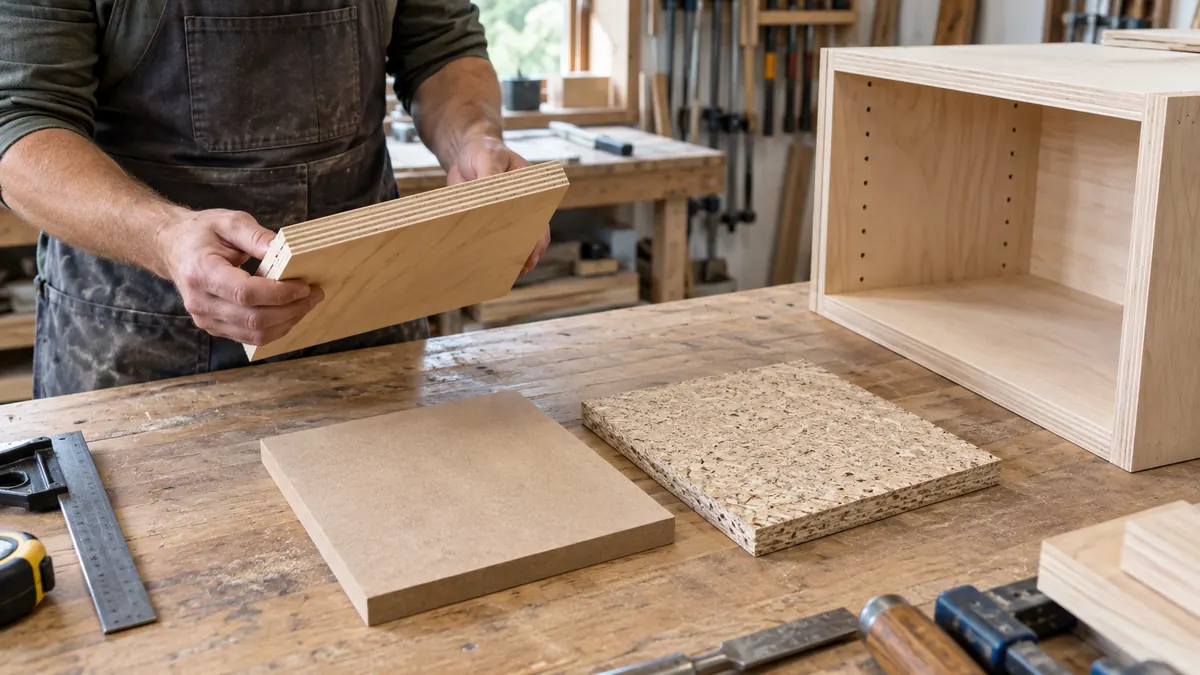
Look at an unfinished edge, like the back or the inside of a cutout. Plywood shows visible layers, while particleboard looks like compressed chips.
Are solid wood cabinets worth it in Vancouver?
For stained doors, yes. For boxes, plywood gives you the same strength with less movement in our humid climate.
Choosing New Cabinets? Get Expert Advice Before You Order
Picking cabinet materials is easy to get wrong, especially when quotes all look similar on paper but use very different boxes, doors and hardware.
At Reimagine Construction and Renovation, we help homeowners across Vancouver, North Vancouver, West Vancouver and Burnaby choose cabinets that fit their kitchen, their budget and how they actually use the space. With over 15 years of kitchen renovation experience, we’ll compare options side by side, show you where to save and where to spend, and handle the full install from demo to final trim.
Book your free kitchen consultation and get honest advice before you order. Call 604 339 9491 or contact us through our website.