What Is LVP Flooring?
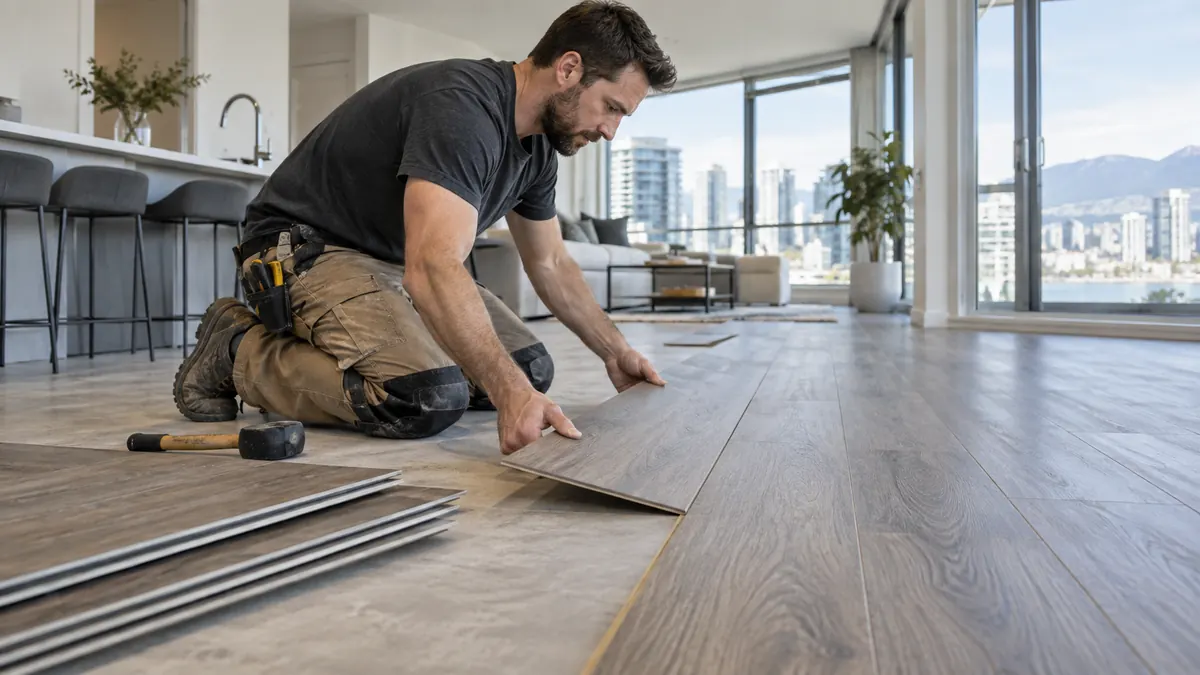
Short answer: LVP (luxury vinyl plank) is a waterproof vinyl floor made to look like real hardwood. It’s tough, quiet underfoot with the right underlay, easy to clean and usually cheaper than hardwood, which is why it’s become one of the most popular floors in Canadian homes and condos. The main downsides: it can dent under heavy furniture, can fade in strong sun, and a very cheap LVP can look and feel like plastic. In Vancouver, LVP typically costs around $5 to $11 per sq ft installed, including material, labour and basic prep.
If you’re deciding between LVP, laminate or something else, the details below will help you choose the right one and avoid the common mistakes.
How LVP Is Built: Wear Layer, Core (SPC vs WPC) and Thickness
Every LVP plank has a few layers, and knowing them is the easiest way to compare products:
- Wear layer: the clear top coat that protects against scratches and scuffs. Measured in mils.
- Design layer: the printed wood look.
- Core: the main body of the plank, usually SPC or WPC.
- Backing: often has attached underlay for sound and comfort.
SPC vs WPC core
| SPC (Stone Plastic Composite) | WPC (Wood Plastic Composite) | |
|---|---|---|
| Feel | Harder, more rigid | Softer and warmer underfoot |
| Dent resistance | Better | Weaker under heavy loads |
| Sound | Can sound a bit hollow | Quieter |
| Uneven subfloors | More forgiving of small dips | Less forgiving |
| Best for | Condos, kitchens, high traffic homes | Bedrooms and living areas where comfort matters |
Thickness and wear layer quick guide
- 12 mil wear layer: fine for bedrooms and light use
- 20 mil wear layer: best for most homes with kids and pets
- Total plank thickness of 5 to 8 mm: ideal for most homes. Thicker isn’t always better. The wear layer and core quality matter more.
LVP Flooring Pros
- Waterproof planks, great for kitchens, bathrooms, laundry rooms and basements
- Scratch resistant, especially with a 20 mil wear layer, which makes it pet and kid friendly
- Realistic wood look at a lower price than hardwood
- Easy to install as a floating click floor over most subfloors
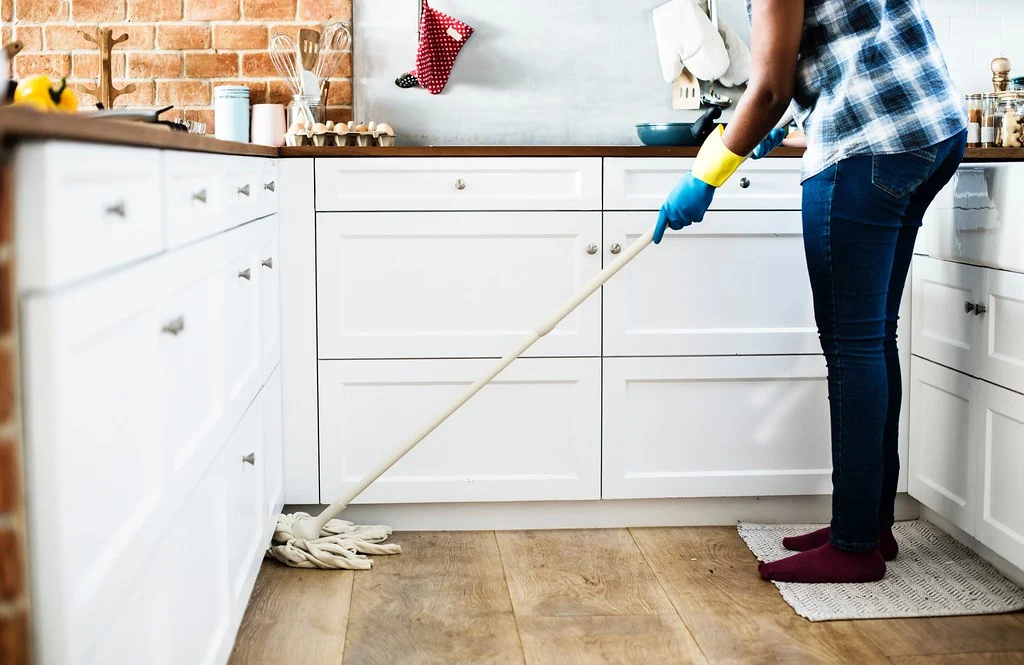
- Low maintenance, just sweep and damp mop
- Comfortable and quieter than tile, especially with good underlay
LVP Flooring Cons and Common Problems
No floor is perfect. These are the issues people run into most:
- Dents from heavy furniture or appliances, especially on WPC
- Fading in rooms with lots of direct sun
- Gaps or peaking when installed without expansion gaps or on uneven subfloors
- Hollow sound with cheap planks or poor underlay
- Not truly waterproof as a system: the planks are, but water can seep through seams and edges to the subfloor
- Lower resale appeal than real hardwood in high end homes
- Hard to repair a single damaged plank in the middle of a room
Most of these problems come from cheap products or bad installation, not LVP itself.
LVP vs Laminate Flooring: Which Is Better?
| LVP | Laminate | |
|---|---|---|
| Water resistance | Waterproof planks | Water resistant at best, swells if water sits |
| Scratch resistance | Very good | Excellent |
| Feel and sound | Softer, quieter | Harder, can sound clicky |
| Look | Realistic wood look | Often a slightly sharper, more realistic texture |
| Price | Similar to slightly higher | Often a bit cheaper |
| Best for | Kitchens, bathrooms, basements, condos | Bedrooms, living rooms, dry areas |
Bottom line: choose LVP for anywhere with water, humidity or a concrete slab. Laminate is a great value option for dry rooms, especially if scratch resistance is your top priority.
LVP vs LVT and Sheet Vinyl: What’s the Difference?
- LVP (luxury vinyl plank): long planks that look like wood
- LVT (luxury vinyl tile): the same product cut into squares or rectangles to look like stone or tile
- Sheet vinyl: one continuous roll with few or no seams, cheaper and more water tight, but less realistic and less durable
If you’re after the wood look, go with LVP. For a stone or tile look, choose LVT. Sheet vinyl makes sense for budget laundry rooms or rentals.
Where LVP Works Best: Kitchens, Bathrooms, Basements and Condos
- Kitchens: handles spills and heavy traffic. Use SPC with a good wear layer, a popular pick for kitchen renovations in Vancouver.
- Bathrooms: works well, just seal the perimeter at tubs and toilets with silicone. It is a budget friendly floor for a bathroom renovation in Vancouver.
- Basements: one of the best options for concrete slabs, as long as you check moisture and use a vapour barrier. It is our go to floor for a basement renovation or legal suite.
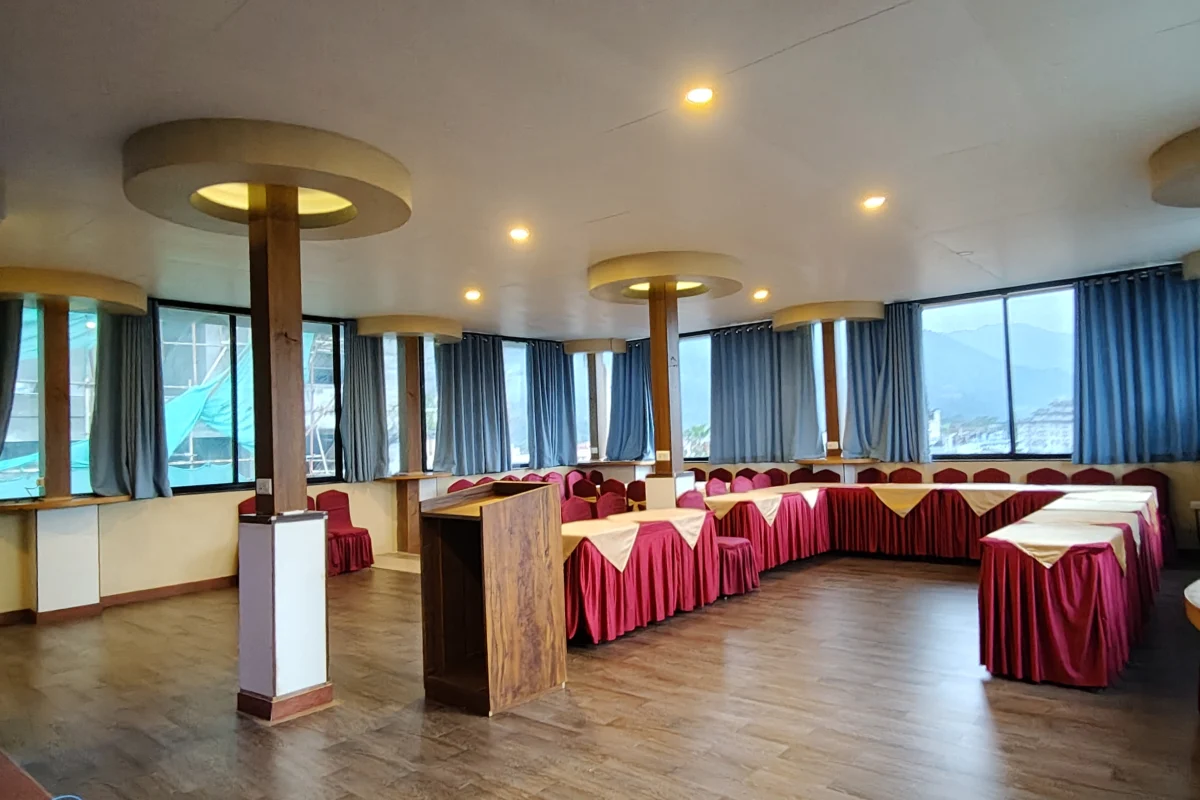
- Condos: very popular, but most strata bylaws require an approved acoustic underlay, so check your building’s rules first. A good condo renovation contractor in Vancouver will handle the strata paperwork for you.
Where to be careful: sunrooms with lots of direct sun, rooms with very heavy furniture, and outdoor spaces.
How Much Does LVP Flooring Cost in Canada?
Here are typical Metro Vancouver prices in 2026:
| Cost Item | Typical Price |
|---|---|
| LVP material (mid range) | $3 to $5 per sq ft |
| Premium LVP material | $5 to $7+ per sq ft |
| Installation labour | $2.50 to $4 per sq ft |
| Removing old carpet | $1 to $2 per sq ft |
| Removing old tile | $3 to $6 per sq ft |
| Subfloor levelling | $1 to $3 per sq ft |
| Total installed | About $5 to $11 per sq ft |
Example: a 600 sq ft condo living area usually lands somewhere around $4,600 to $7,800 all in, and more if the subfloor needs major repairs.
How to Choose Quality LVP: Wear Layer, Thickness and Underlay Checklist
Before you buy, run through this list:
- Wear layer of 20 mil for busy homes (12 mil minimum for light use)
- SPC core for kitchens, condos and main floors
- Attached underlay or a quality separate underlay, and never double up without checking the manufacturer’s rules
- Acoustic rating that meets your strata requirements if you’re in a condo
- Real texture, like embossed in register grain, so it doesn’t look like plastic
- A solid residential warranty of at least 20 to 25 years
- Buy 10% extra for cuts and future repairs
Popular LVP projects we install:
- Condo kitchen floors in a Burnaby kitchen renovation or a North Vancouver kitchen renovation
- Open plan main floors in a kitchen renovation in West Vancouver
- Whole level upgrades during a home renovation in North Vancouver, a West Vancouver home renovation or a Burnaby home renovation
Frequently Asked Questions
Is LVP flooring really waterproof?
The planks are waterproof, but water can still get through the seams to the subfloor if it sits for a long time.
Can LVP be installed over tile?
Often yes, if the tile is flat and solid and the grout lines aren’t too deep. Check the manufacturer’s instructions.
Does LVP need underlay?
Many planks come with attached underlay. On concrete, you usually also need a vapour barrier.
How long does LVP flooring last?
Usually 15 to 25 years, depending on quality, wear layer and how busy the home is.
Is LVP good with dogs?
Yes, it’s one of the best pet friendly floors. Pick a 20 mil wear layer and keep nails trimmed.
Can you put LVP in a kitchen under cabinets?
Usually no. It’s a floating floor, so it’s installed around cabinets and islands, not under them.
Does LVP add value to a home?
It adds value compared to old carpet or worn floors, but real hardwood still has more appeal in high end homes.
What’s better, SPC or WPC?
SPC is better for durability and dent resistance. WPC is softer and more comfortable underfoot.
Ready for New Floors? Get a Professional LVP Installation Quote
Most LVP problems, like gaps, squeaks and peaking, come from poor subfloor prep and rushed installation, not the product.
At Reimagine Construction and Renovation, flooring is one of our core services. For over 15 years we’ve provided professional flooring installation in homes and condos across Vancouver, North Vancouver, West Vancouver and Burnaby. We’ll help you choose the right LVP for your space and budget, meet your strata’s underlay requirements, prep the subfloor properly and install it to last.
Get your free flooring quote today. Call 604 339 9491 or contact us through our website.