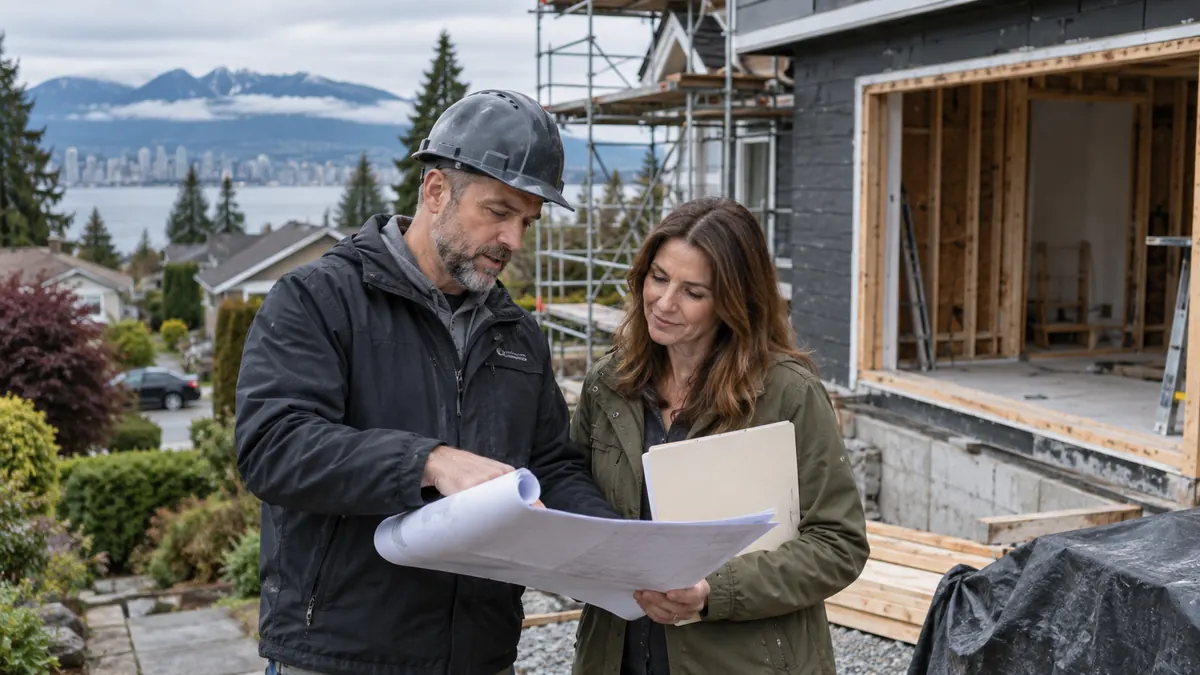
Do You Need a Building Permit to Renovate?
Short answer: You need a permit if your renovation moves walls, touches structure, moves or adds plumbing, electrical or gas lines, adds living space or creates a suite. You usually don’t need one for cosmetic work like painting, new flooring, or swapping cabinets, fixtures and countertops in the same spot. That’s the basic rule in Vancouver, North Vancouver, West Vancouver and Burnaby. The details differ a bit by city, and older homes built before 1990 often need a hazmat survey as part of the process. Skipping a permit can lead to stop work orders, penalties, trouble selling and insurance problems.
Here’s a clear breakdown so you know exactly where your project stands.
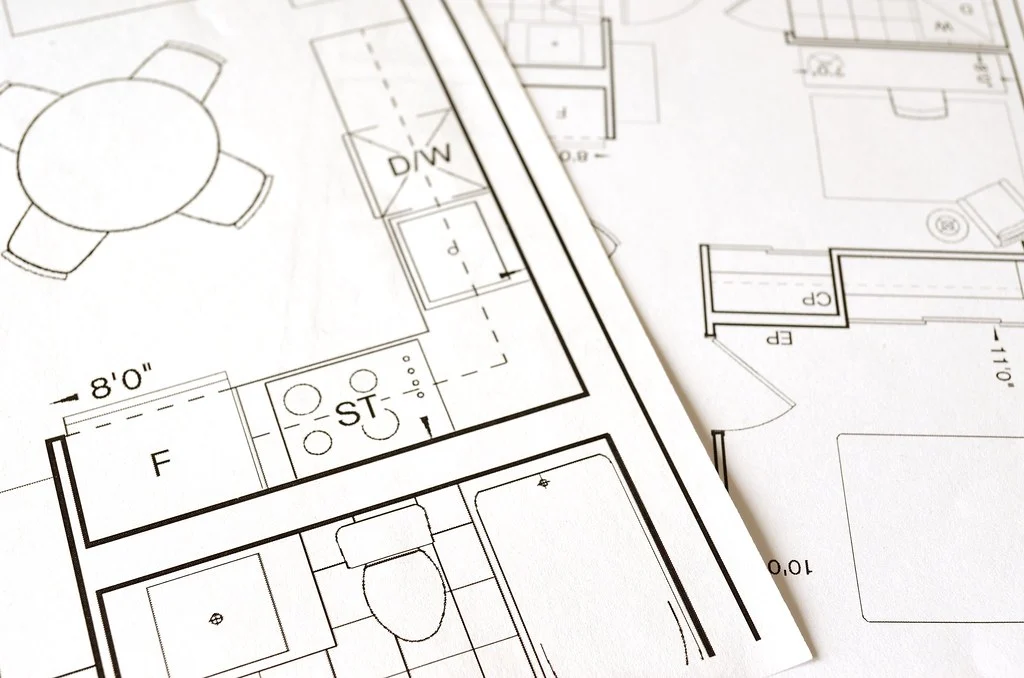
Work That Needs a Permit vs Work That Doesn’t
| Usually Needs a Permit | Usually Doesn’t Need a Permit |
|---|---|
| Removing, moving or adding interior walls | Painting and wallpaper |
| Structural repairs or changes (beams, posts, foundation) | Replacing flooring |
| Moving or adding plumbing fixtures | Replacing cabinets and countertops in the same layout |
| New electrical circuits, panels or rewiring | Swapping light fixtures, switches and outlets |
| Gas lines, furnaces, fireplaces, gas ranges | Replacing an electric hot water tank like for like |
| Additions, decks, garages and sheds (over size limits) | Minor exterior repairs, gutters and roofing |
| Finishing a basement with new walls or plumbing | Replacing a toilet, sink or faucet in the same spot |
| Adding a secondary suite | Trim, doors and other interior finishing |
| New windows or doors in new openings | Replacing windows in the same opening (usually) |
Rule of thumb: if you’re only replacing things where they already are, you probably don’t need a permit. If you’re moving, adding or opening up anything, you probably do.
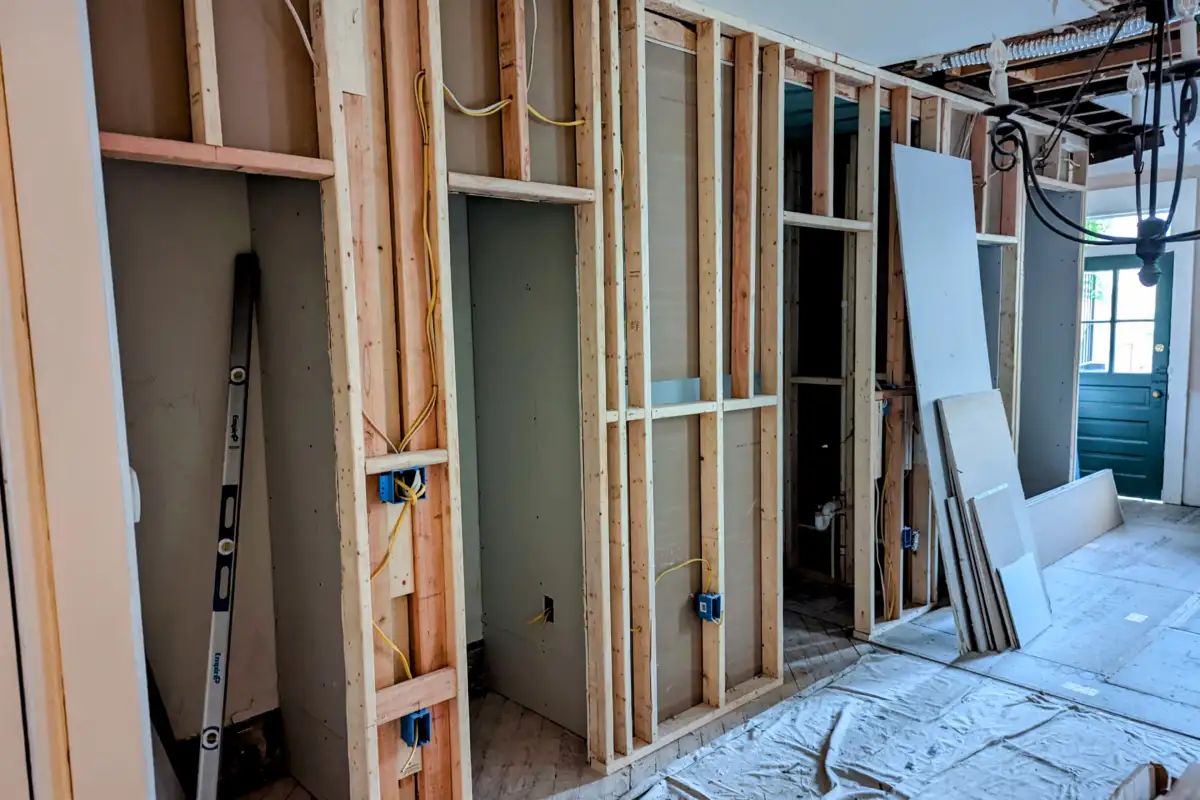
Kitchen and Bathroom Projects: When a Permit Is Required
No permit usually needed if you:
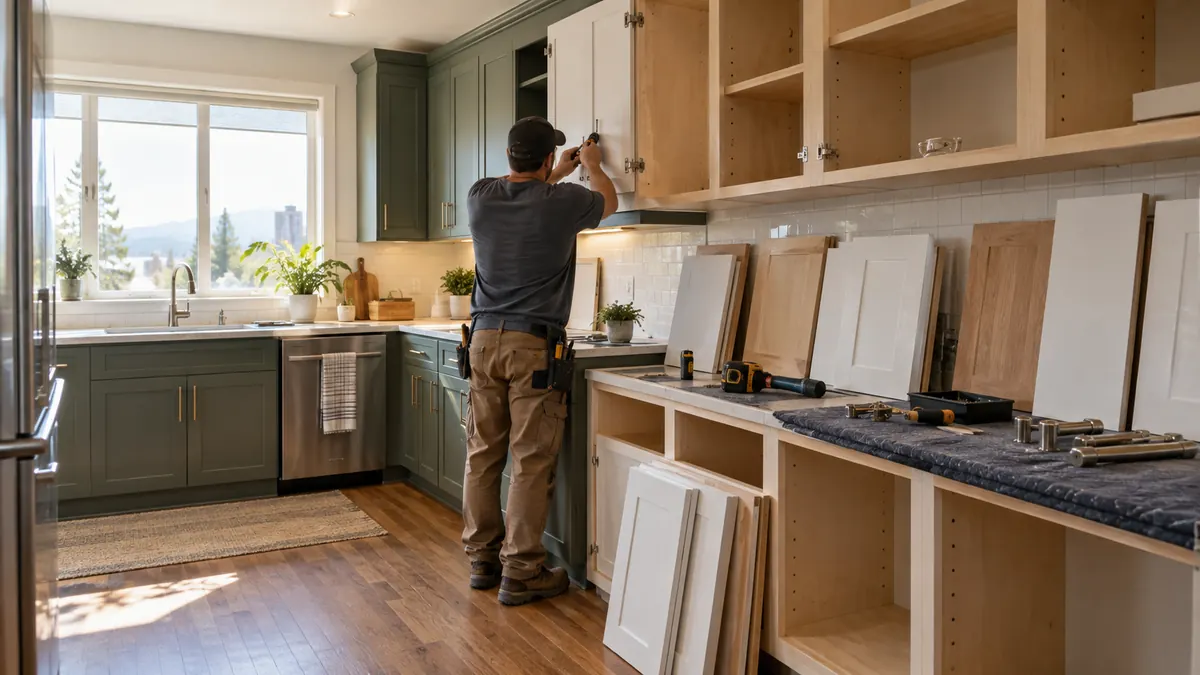
- Replace cabinets, countertops, backsplash and flooring
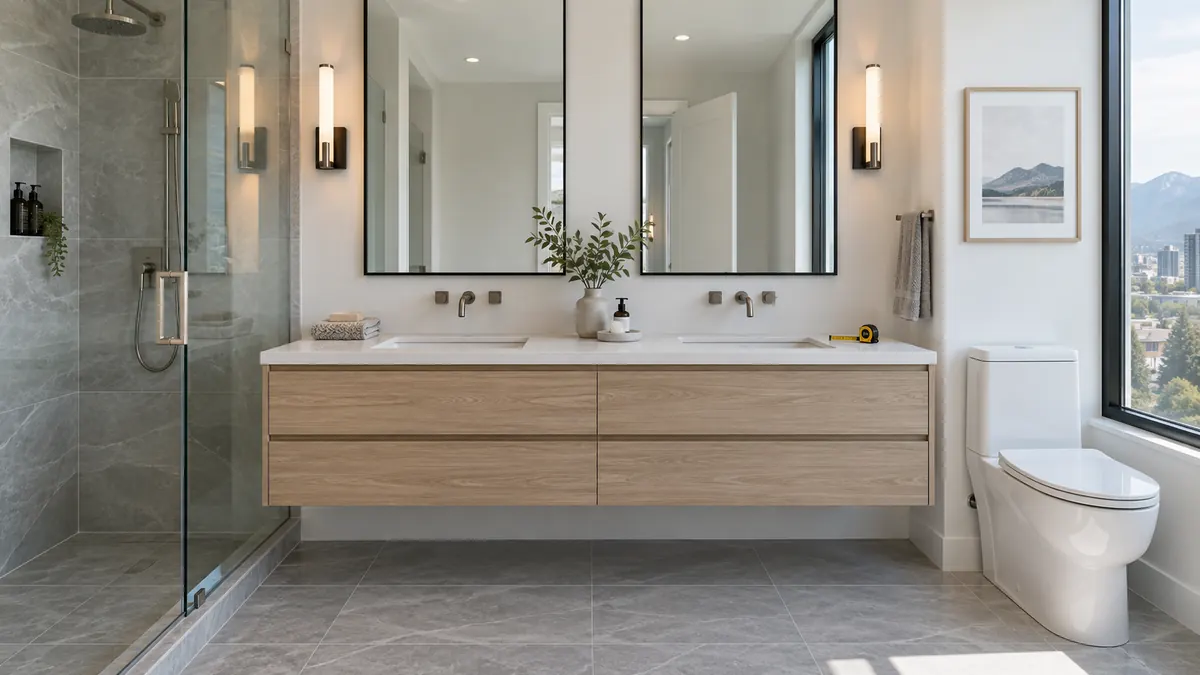
- Swap a sink, faucet, toilet, vanity or tub in the same location
- Replace appliances in the same spot
Permit usually needed if you:
- Move the sink, toilet, shower or tub to a new spot
- Add a new bathroom or a kitchen island with a sink
- Remove or move a wall to open up the kitchen
- Add new circuits for appliances, pot lights or heated floors
- Move or add a gas line for a range
- Change a tub to a shower with new drain locations
In condos, you’ll also need strata approval for most of this work, which is separate from the city permit.
Basements and Secondary Suites: Permit Requirements
Finishing a basement usually needs a building permit if you’re framing new walls, adding a bathroom, running new wiring or changing the heating. You’ll also need to meet code for ceiling height, egress windows and smoke alarms.
Adding a secondary suite always needs a permit. BC’s newer housing rules have made suites allowed on most single detached lots, but the suite still has to meet the BC Building Code, including fire separation, sound separation, separate smoke alarms, exits and ceiling height. Suites are one of the most commonly inspected projects, so it’s worth getting the design right from the start.
Building, Plumbing, Electrical and Gas Permits Explained
Most renovations need more than one type of permit:
| Permit Type | Covers | Who Usually Applies |
|---|---|---|
| Building permit | Walls, structure, layout changes, additions, suites | Owner or general contractor |
| Plumbing permit | New or moved drains, water lines, fixtures | Licensed plumber |
| Electrical permit | New circuits, panels, rewiring | Licensed electrician (or homeowner in some cases) |
| Gas permit | Gas lines, furnaces, fireplaces, ranges | Licensed gas fitter |
In Vancouver, the City issues its own building, plumbing, electrical and gas permits. In some other municipalities, electrical and gas permits go through Technical Safety BC instead. Your contractor or trades usually handle trade permits for you.
City of Vancouver Permit Rules
The City of Vancouver requires a permit for:
- Renovations that move interior walls or existing plumbing, electrical or gas lines
- Structural repairs
- New floor area, secondary suites, garages, sheds and decks
- Drywall repairs to fire separations in multi unit buildings
No permit is needed for replacing fixtures, cabinets or flooring, painting, minor exterior repairs or replacing roofing and gutters.
Simple renovations are often processed in a few weeks, and some smaller projects qualify for faster review streams. Work done without a permit usually carries a penalty of about double the regular permit fee. For homes built before 1990, expect hazmat requirements for demolition and many permitted renovations.
North Vancouver Permit Rules: City vs District
This trips a lot of people up. North Vancouver is two separate municipalities, and each has its own permit office.
| City of North Vancouver | District of North Vancouver | |
|---|---|---|
| Areas | Lonsdale, Lower and Central Lonsdale, around the waterfront | Lynn Valley, Deep Cove, Edgemont, Capilano, Seymour and more |
| Typical residential processing | About 3 to 8 weeks | About 4 to 10 weeks |
| Special notes | Separate guides for strata and non strata renovations | Hazmat survey for pre 1990 buildings; hillside rules on some steep lots |
Check your property tax notice or the municipal map if you’re not sure which one you’re in. The permit triggers (walls, structure, plumbing, electrical, suites) are basically the same as in Vancouver.
West Vancouver Permit Rules
West Vancouver follows the same general rules: structural work, moving plumbing, new electrical, additions and suites need permits, while cosmetic updates don’t.
The big one to know: for renovations of homes built before 1990, West Vancouver requires a hazmat survey by a qualified professional, and if hazardous materials are removed, a post abatement clearance letter before workers go in. Many West Van homes are on slopes or in areas with extra design guidelines, so larger renovations and additions can take longer.
Burnaby Permit Rules
Burnaby requires a permit for any project involving the erection, enlargement, alteration, removal or demolition of a building. That covers interior changes like moving bathroom fixtures and walls, exterior changes, decks, garages, suites and solar panels.
No permit is needed for replacing fixtures, cabinets or flooring, painting, or minor non structural exterior repairs. Burnaby processes alteration permits (no added floor area) and addition permits (bigger footprint or more floor area) online. Starting July 1, 2026, some projects also need a development permit before the building permit can be issued, so larger projects should plan for extra time.

How to Apply: Documents, Fees and Processing Times
What you’ll usually need:
- Application form through your city’s online portal
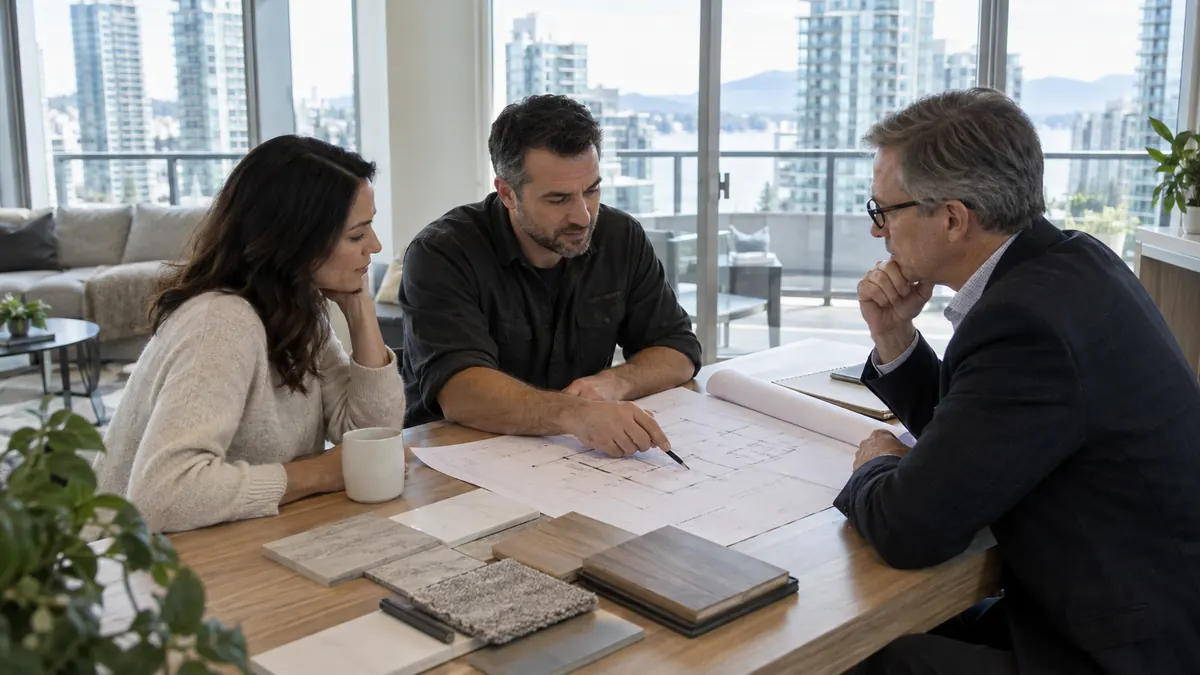
- Floor plans showing existing and new layouts
- Structural drawings if you’re touching beams, posts or walls that carry load
- Hazmat survey for older homes (usually pre 1990)
- Contractor details and, for condos, strata approval
- Declared construction value
Fees: Permit fees are usually based on the construction value. Small renovations may be a few hundred dollars, while bigger projects can run into the thousands. Trade permits are extra.
Processing times: Simple renovations often take 2 to 8 weeks, while larger projects, suites and additions can take several months. Incomplete applications are the number one cause of delays.
What Happens If You Renovate Without a Permit in BC?
It’s tempting to skip the permit, but the risks are real:
- Stop work orders that halt your project
- Penalty fees, often double the original permit fee in Vancouver
- Having to open walls so inspectors can check hidden work
- A notice on your property title in serious cases, which can scare off buyers and lenders
- Insurance problems if unpermitted work causes a fire, leak or other claim
- Trouble selling, since buyers and inspectors often spot unpermitted work
If you’ve already done work without a permit, you can usually apply for one after the fact. It costs more, but it fixes the problem.
Frequently Asked Questions
Do I need a permit to replace kitchen cabinets?
No, not if they go in the same layout without moving plumbing, electrical or walls.
Do I need a permit to redo a bathroom?
Not for a like for like update. You do if you’re moving fixtures, adding plumbing or changing walls.
Can a homeowner pull their own permit in BC?
Often yes, especially for your own home. Some trade work, like gas, must be done by licensed trades.
Do I need a permit to finish my basement?
Usually yes, if you’re adding walls, a bathroom, electrical or heating.
Do I need a permit to remove a wall?
Yes, in all four cities. If it’s load bearing, you’ll also need structural drawings.
How long does a renovation permit take in Vancouver?
Simple projects often take a few weeks. Complex ones can take several months.
Do I need a permit to replace windows?
Usually not if they’re the same size in the same opening. New or bigger openings need a permit.
Does a condo renovation need a city permit?
It can. Moving plumbing, electrical or walls in a condo needs a city permit as well as strata approval.
Let Us Handle the Permits for Your Next Project
Permits don’t have to slow your renovation down if they’re planned properly from the start.
At Reimagine Construction and Renovation, we’ve worked across Vancouver, North Vancouver, West Vancouver and Burnaby for more than 15 years, so we know how each city works. Our team has an architecture background and deep knowledge of the BC Building Code, which means we can prepare the drawings, coordinate hazmat surveys and trade permits, and deal with the city for you.
Book your free consultation and we’ll tell you exactly which permits your project needs and how long they’ll take. Call 604 339 9491 or reach out through our website.